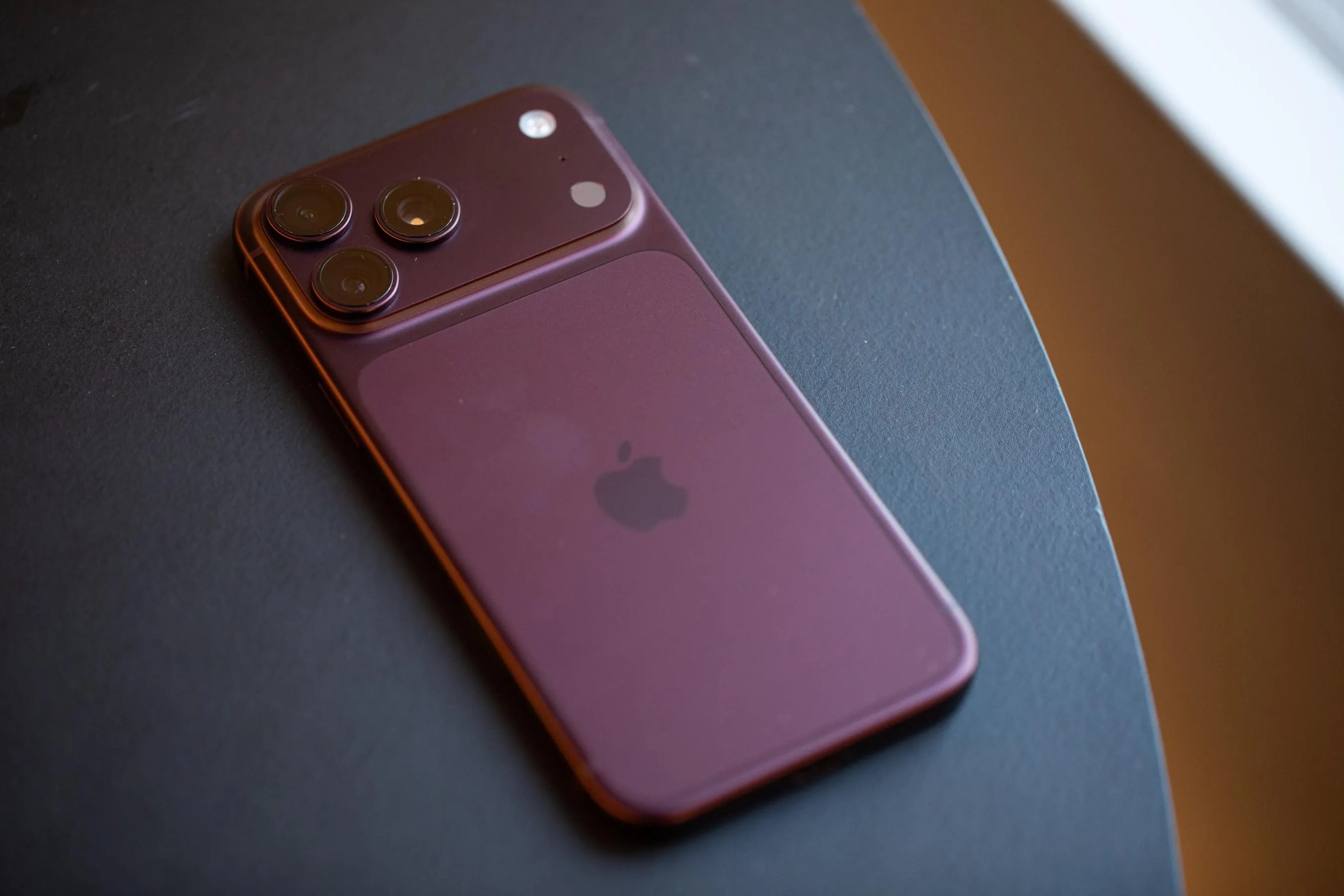
Apple has reported a significant financial uplift in its latest quarter, with iPhone revenue jumping by an impressive 17 percent to $57.58 billion. This growth comes despite the absence of a standard model release in its recent refresh, instead focusing exclusively on the higher-priced iPhone 18 Pro and Pro Max, alongside a strategic price increase across its older iPhone lineup.
- Core Development: iPhone revenue soared 17% to $57.58 billion, driven by the exclusive launch of Pro-only models and price adjustments on older devices.
- Technical Shift: Apple's pivot towards premium Pro-tier hardware maximizes average selling prices and mitigates impacts from rising component costs and supply chain bottlenecks.
- Industry Impact: The strategy signals a strong consumer willingness to invest in high-end devices, influencing other OEMs to potentially narrow product stacks or elevate premium offerings.
Premium Focus Pays Off for iPhone Sales
The record-breaking quarter for iPhone sales underscores the efficacy of Apple’s premium-tier strategy. The decision to release only the iPhone 18 Pro and Pro Max models in September, coupled with price hikes on existing inventory, significantly boosted the average selling price (ASP) of iPhones. This approach effectively navigated rising memory costs and broader supply chain constraints that have impacted other device manufacturers. CEO John Ternus acknowledged the challenge, stating, “We saw higher memory costs as compared to the June quarter, and that was partly offset by the benefit of carrying inventory and lower costs on non-memory components.”
"Apple's shift to a Pro-only strategy for its latest iPhone refresh clearly demonstrates the market's appetite for premium devices, allowing them to not only absorb but thrive amidst escalating production costs."
Broader Portfolio Performance & Emerging Segments
Beyond the iPhone, Apple’s overall revenue surged 12 percent to $114.5 billion, showcasing strength across multiple segments. The Mac business experienced robust growth, increasing 24 percent to $10.79 billion, while the services division, encompassing App Store commissions and subscriptions like Apple TV and Apple Music, expanded to $31.57 billion. However, not all segments saw growth, with iPad revenue declining 10 percent year-over-year to $6.23 billion. The company also unveiled its first folding phone, the iPhone Duo, though its preorder sales were not included in this report, with some estimated shipment dates extending into 2027 due to limited availability.
Industry Outlook & Next Steps
Apple’s strategic moves extend beyond mobile. Recent weeks have seen significant pushes into the smart home sector, featuring its first smart home display and a suite of video doorbells, security cameras, and door locks developed in collaboration with LG and Schneider Electric. Furthermore, the company surprised the market with a MacBook Pro featuring a touchscreen, a departure from its historical stance. These new product categories and architectural shifts, particularly with the iPhone Duo and its extended lead times, indicate Apple is actively diversifying its hardware portfolio and testing new form factors while consolidating its high-margin segments. Future earnings reports will provide crucial insights into the market reception and long-term viability of these emerging product lines and strategic pivots.
```