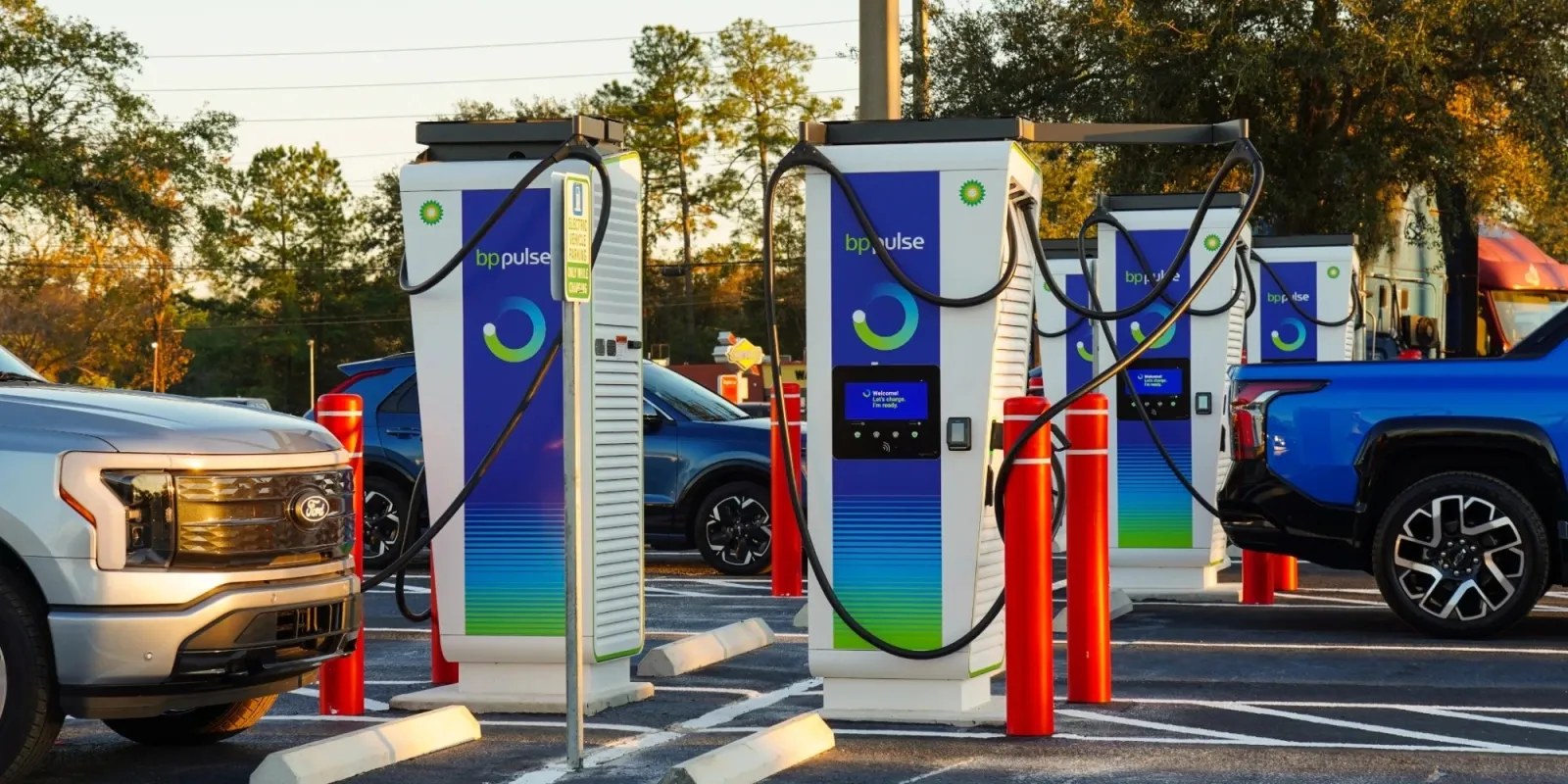
Electric vehicle drivers across the United States gain seamless access to bp pulse fast-charging infrastructure without downloading proprietary software, following a major roaming partnership with ChargeHub's Passport Hub. The integration immediately unlocks more than 850 charging points across 95 US locations, streamlining payment and session management for EV owners navigating fragmenting public charging ecosystems.
- Core Development: bp pulse integrates with ChargeHub Passport Hub, opening 850+ high-power ports to third-party app users.
- Technical Shift: Eliminates single-network app reliance through a unified backend for real-time telemetry, session handshakes, and wallet settlement.
- Industry Impact: Accelerates cross-network interoperability while supporting both legacy CCS1 and expanding NACS (SAE J3400) hardware.
Unified API Architecture and Driver Experience
By leveraging the Passport Hub interoperability platform, bp pulse establishes an automated clearinghouse model for billing and session handshakes. Rather than executing bespoke software integrations with individual automakers and e-mobility service providers, charging point operators can utilize a single unified integration API to handle session authorization, real-time availability metrics, and financial clearinghouse settlement.
For end users, the experience eliminates the persistent friction of app proliferation. Drivers using the ChargeHub application can locate participating bp pulse sites, monitor live port availability, check connector configurations, and initiate high-voltage DC fast-charging directly from their existing digital wallet. ChargeHub displays real-time telemetry alongside dynamic pricing tiers, though drivers should note that fee structures may vary depending on active tier memberships such as ChargeHub Plus, which waives standard activation surcharges.
Hardware Deployment and Dual-Standard Roadmap
The software partnership coincides with a physical expansion of bp pulse high-power charging corridors. Recent flagship infrastructure deployments include a 12-bay ultra-fast charging hub at a TravelCenters of America site in Grand Bay, Alabama, alongside a massive 22-bay site serving the high-density traffic corridor near Dallas-Fort Worth International Airport (DFW).
"Standardizing backend communication across fragmented networks is critical to advancing electric fleet utilization and consumer charging reliability across North America."
Industry Outlook & Next Steps
While the majority of legacy bp pulse deployments currently utilize the Combined Charging System (CCS1) architecture, the network is actively accelerating hardware retrofits and new installations featuring the North American Charging Standard (NACS / SAE J3400). Over the coming quarters, additional automotive OEM app integrations powered by Passport Hub will launch, further consolidating charging management directly into native vehicle infotainment displays.