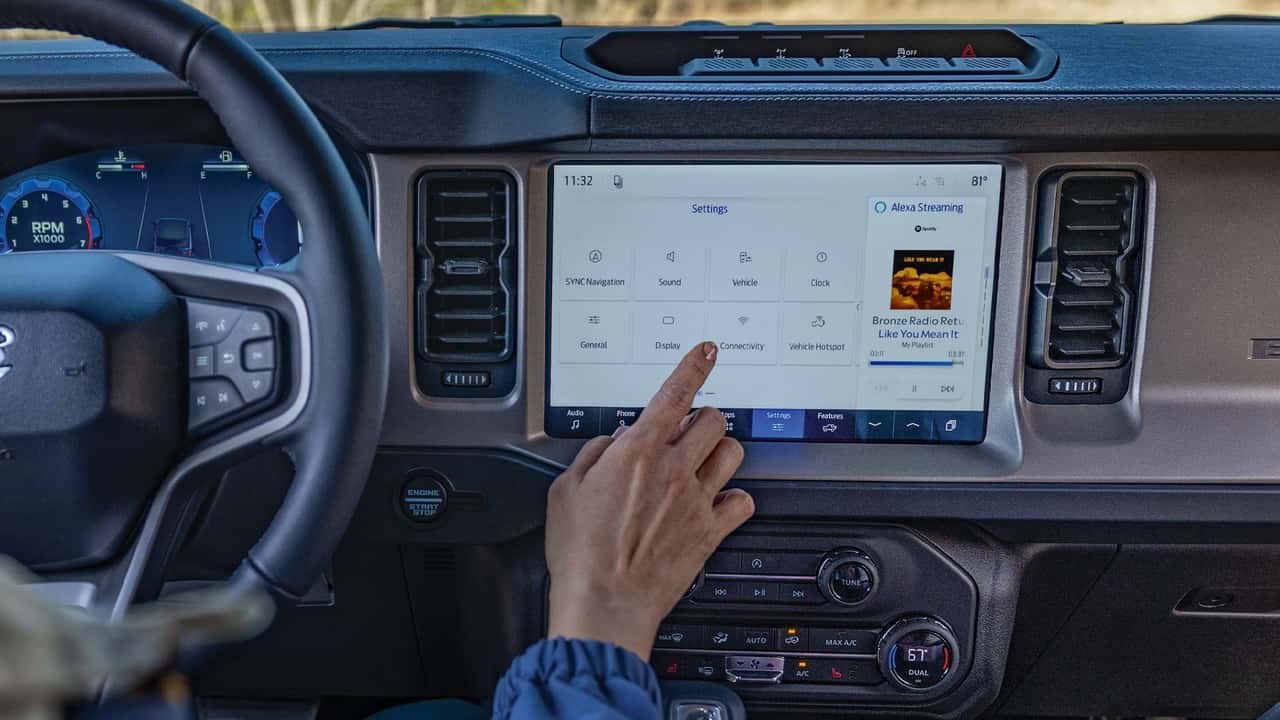
In an era where modern automobiles function as sophisticated mobile data hubs, Ford Motor Company has launched a new transparency initiative dubbed the Privacy Promise. The dedicated platform outlines precisely how the automaker harvests connected vehicle metrics and provides owners with clear mechanisms to completely opt out of data tracking—effectively turning back the clock on digital surveillance.
- Core Development: Ford introduces its Privacy Promise portal, establishing radical transparency regarding telemetry collection and user privacy controls.
- Technical Shift: Drivers can deactivate location tracking, driving behavior logging, and app connectivity to enter an analog '80s mode configuration.
- Industry Impact: Direct response to competitor missteps, highlighting a stark contrast with GM's recent $220 million settlement over third-party data broker sales.
granular Telemetry and the '80s Mode Choice
Connected vehicle architectures continuously stream telemetry ranging from harsh braking metrics and precise GPS coordinates to feature utilization patterns via smartphone applications. Under the new initiative, Ford explicitly details its collection of diagnostic info, driving characteristics, and location telemetry while granting users a master switch to sever the connection entirely.
"Our ultimate goal is that, for someone who does not want to share any connected data with Ford at all, they can opt out and essentially create a quasi-’80s mode car. The goal is to allow people to have that old-school experience." — Kristin Jones, Chief Privacy Officer at Ford
Choosing total privacy comes with inherent technical trade-offs. Disabling internet connectivity, location features, and cloud diagnostics renders real-time traffic updates and remote FordPass app controls inert. Furthermore, withholding telemetry deprives Ford of product development insights, complicating efforts to refine next-generation EV powertrains and user interfaces.
Monetization Strategy vs. Regulatory Fallout
Ford's announcement arrives as competitors face severe scrutiny. Rival General Motors recently agreed to a massive $220 million settlement after allegations surfaced that its Smart Driver program secretly monetized driver metrics via third-party data brokers between 2016 and 2024. Ford has explicitly clarified that it does not sell raw driver data to third parties, aiming to establish user trust as a competitive advantage.
Industry Outlook & Next Steps
This privacy push creates a strategic tension with Ford's long-term financial roadmap. Chief Executive Officer Jim Farley has repeatedly highlighted digital subscription services and software-defined platforms—such as the affordable Ford Fathom project—as critical drivers for future high-margin revenue. As consumers weigh the balance between software convenience and total privacy, Ford's transparent opt-out architecture sets a new baseline for the automotive industry's digital ethics standard.