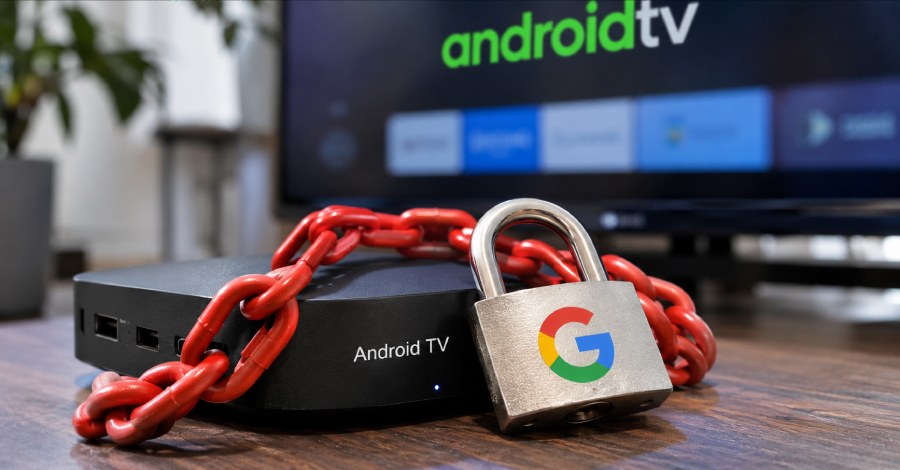
In an unprecedented global infrastructure operation, Google has disrupted a massive botnet comprising over 1.3 million infected Android devices—primarily uncertified TV set-top boxes—after discovering a deliberate, factory-installed backdoor embedded directly within the firmware by hardware manufacturer Videostrong.
- Core Development: Google executed a legal and technical court-ordered takedown of command-and-control (C2) domains tied to the x.cpe backdoor, crippling a 1.3 million-device active botnet.
- Technical Shift: The persistent malware operates with system-level privilege, bypassing Google Play Protect to silently deploy ad-fraud modules and residential proxy networks.
- Industry Impact: Google has permanently banned Shenzhen-based Videostrong from the official Android ecosystem, severing all licensing and supply-chain certifications.
Supply-Chain Sabotage: The x.cpe Backdoor
According to technical documentation released by Google's threat intelligence teams, the malicious component—designated internally as x.cpe—was built into the core Android image across multiple product lines over several years. Rather than a rogue insider or accidental vulnerability, researchers conclude with high confidence that Videostrong intentionally embedded the exploit to monetize access to end-user networks.
Operating as a privileged system application, x.cpe gains full administrative control over the host operating system. To maintain persistence and evade detection, the implant forcibly disables Google Play Protect security checks before fetching secondary payloads. Threat actors leveraged remote access to capture active screenshots, record raw keystrokes, extract local account tokens, and establish interactive reverse shells directly into compromised home networks.
"The x.cpe backdoor runs as a system app inside the firmware, giving remote operators total control over infected nodes to turn home internet connections into monetization engines."
Exploitation Vectors and Cross-Sector Disruption
The infected hardware extended beyond consumer streaming hardware, turning up in telehealth terminals, digital signage displays, and commercial karaoke systems. Threat actors monetized the network primarily through two avenues: routing unauthorized traffic through residential proxy networks and executing automated ad-fraud schemes to simulate human engagement.
The multi-agency takedown targeted the core C2 infrastructure alongside control domains for more than a dozen secondary malware families. Coordinated with assistance from Lumen, HUMAN Security, Plume, Synthient, TrendAI, and Japan's National Police Agency, the action is anticipated to sever remote access to an additional 10 million downstream infected endpoints worldwide.
Industry Outlook & Mitigation Posture
Because x.cpe resides directly within non-volatile system partitions, affected hardware cannot be disinfected via standard factory resets or user-initiated updates. Consequently, enterprise network administrators and consumer defense teams must physically isolate or decommission uncertified Videostrong-manufactured hardware.
Google has formally severed ties with the Shenzhen-based vendor, barring Videostrong and its affiliates from building certified Android platforms or supplying firmware to legitimate hardware partners. Cybersecurity agencies warn that while the primary control domains are sinkholed, botnet operators actively attempt to migrate residual endpoints to alternative C2 infrastructure.