When we analyze the telemetry of American roadways, it is easy to get distracted by flashy, low-latency sports cars and experimental EV platforms. But if you look at actual mileage throughput—the pure bandwidth of miles logged per vehicle—the data reveals a different class of dominant hardware. We are talking about the enterprise servers of the suburbs: high-capacity family haulers. In the ultimate stress test of daily commutes, school runs, and cross-country deployments, a select group of multi-passenger rigs is pulling the heaviest duty cycles while sportier nodes sit idle in suburban garages.
Topping the charts for maximum uptime and sheer mileage accumulation are the behemoths of family logistics: the Chrysler Pacifica, Toyota Sequoia, and Chevrolet Suburban. Think of these not just as vehicles, but as high-availability, multi-threaded transport platforms. The Chrysler Pacifica acts as a modular microservice, constantly reconfiguring its interior architecture to maximize payload efficiency. Meanwhile, the body-on-frame architectures of the Sequoia and Suburban function like robust mainframe systems—virtually indestructible, highly resilient to physical wear, and capable of processing massive payloads over long-distance hauls without thermal throttling or system failure.
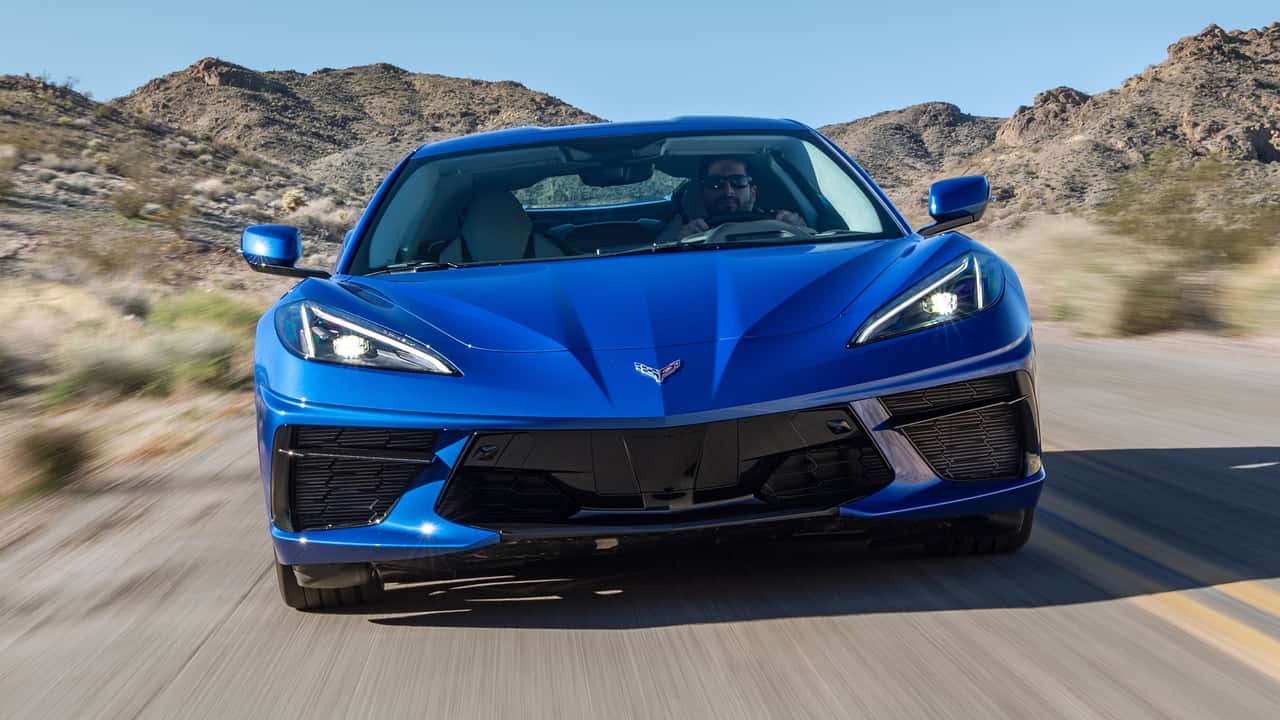
On the flip side of this telemetry spectrum lie the under-utilized assets. While the enterprise haulers are constantly executing read/write cycles on the tarmac, niche sports cars, weekend convertibles, and certain highly-specialized EVs are essentially parked in a low-power sleep state. These low-mileage anomalies represent the sandbox environments of the automotive world—high on spec-sheet performance but suffering from extremely low utilization rates. They are the high-cost, specialized GPUs used only for occasional hobbyist rendering, contrasted sharply against the 24/7 database operations of the three-row family SUV.
Ultimately, this data highlights a fascinating divergence between aspirational hardware and practical execution. While the tech world often prioritizes lean, agile, and decentralized systems, the physical infrastructure of American life still relies heavily on centralized, high-capacity nodes to move the most packets—or in this case, people and cargo—from point A to point B. For developers of next-gen autonomous systems and fleet management software, the lesson is clear: if you want to optimize real-world performance where the rubber meets the road, you design for the high-duty-cycle workhorses that keep the country's daily operations running at peak throughput.