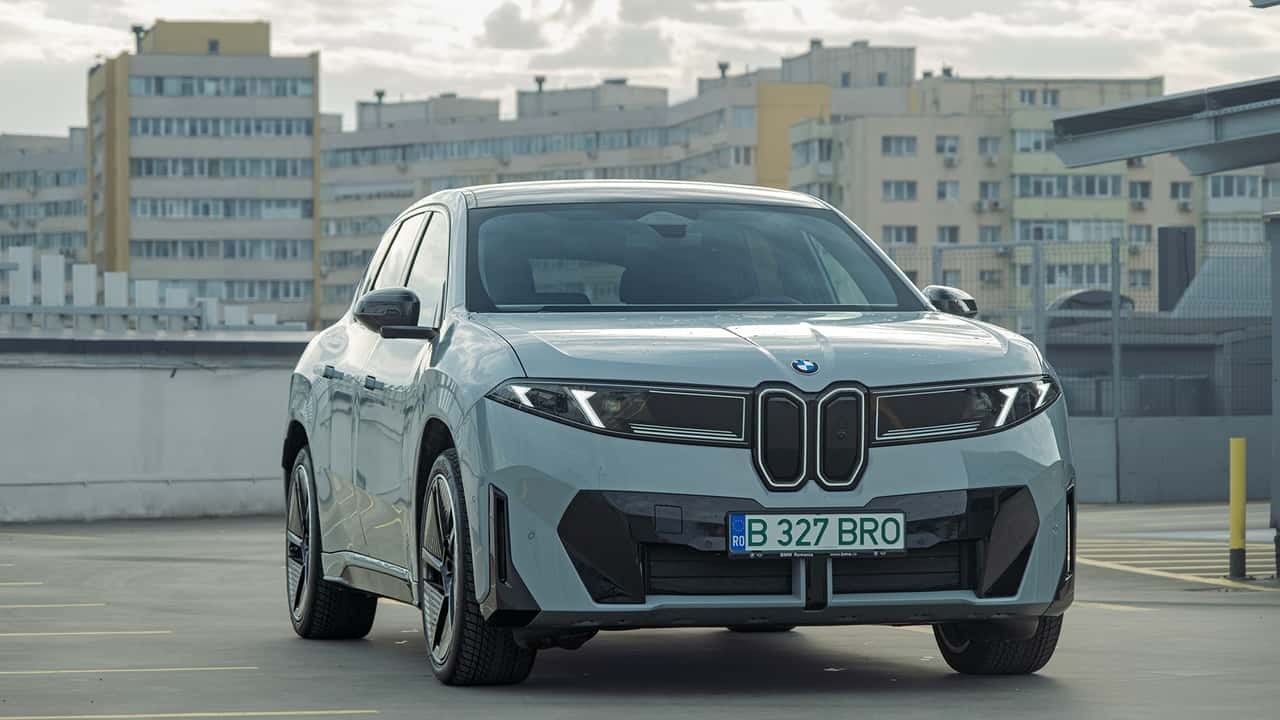
In a direct head-to-head evaluation highlighting the evolving performance of modern electric powertrains, the all-electric BMW iX3 50 xDrive completed an extraordinary real-world distance test across Australia, nearly matching the total highway endurance of its internal combustion sibling, the BMW X3 M50 xDrive.
- Core Development: The BMW iX3 outperformed its official EPA estimates, traveling 464 miles (747 km) on a single charge during a highway journey.
- Technical Shift: Advanced battery chemistry and regenerative thermal efficiency allowed the electric SUV to deliver 463 horsepower while achieving near-diesel levels of efficiency.
- Industry Impact: High-density EV architectures are rapidly closing the operational range gap with high-output mild-hybrid internal combustion engines.
The 460-Mile Highway Crucible
The real-world evaluation, conducted by Australian automotive outlet Chasing Cars, mapped out a challenging 459.8-mile (740 km) route from Sydney to Byron Bay. To replicate standard long-distance travel conditions, both vehicles were locked in their respective Eco drive modes with climate control systems tuned for optimal energy preservation, maintaining strict highway speed limits throughout the journey.
At the start line, the electric BMW iX3 50 xDrive registered an estimated initial range of 430 miles (692 km). Conversely, the BMW X3 M50 xDrive—powered by a 3.0-liter turbocharged inline-six paired with a 48-volt mild-hybrid system—projected an available distance of 487 miles (784 km) shortly after departure, establishing an immediate advantage in energy density.
Power Dynamics and Powertrain Efficiency
Despite carrying the thirstiest engine configuration in the current X3 lineup, the internal combustion X3 M50 generates a formidable 393 horsepower and 428 lb-ft of torque. However, the dual-motor iX3 surpasses it in raw output, delivering 463 horsepower and 476 lb-ft of torque directly to all four wheels.
"The iX3 achieved 464 miles of continuous highway driving on a single charge—surpassing its factory EPA rating of 434 miles and proving that high-power EVs are eroding traditional range barriers."
While the mild-hybrid gas SUV completed the full 740 km route with an astonishing 206 miles (332 km) of reserve fuel remaining, the electric iX3 demonstrated remarkable cell management. The vehicle covered 464 miles (747 km) before exhausting its usable battery capacity, falling just 14.2 miles (23 km) short of the final destination without a single charging stop.
Industry Outlook & Next Steps
As legacy automakers roll out 800-volt high-density architectures and refined silicon-carbide inverters, the thermal and volumetric efficiency of premium electric SUVs continues to surge. While internal combustion powertrains retain an edge in ultimate range and rapid refueling, real-world results like the iX3's 464-mile run signal that highway range anxiety is rapidly transitioning from a structural hurdle to a historical legacy for next-generation EV platforms.