A California judge has ruled Tesla legally liable for fraud and negligent misrepresentation in a high-stakes solar installation dispute, after the automaker repeatedly failed to produce mandatory evidence and ignored court deadlines in Conroy v. Tesla.
- Core Development: A California court sanctioned Tesla and ruled it liable for fraud, limiting an upcoming trial strictly to compensatory and punitive damages.
- Technical Shift: Internal communications suggest the incomplete installation was treated as an experimental project despite lacking the necessary field expertise.
- Industry Impact: The ruling underscores severe legal risks for automakers and energy firms mishandling consumer contracts and discovery compliance.
Escalating Legal Battles Over Incomplete Installations
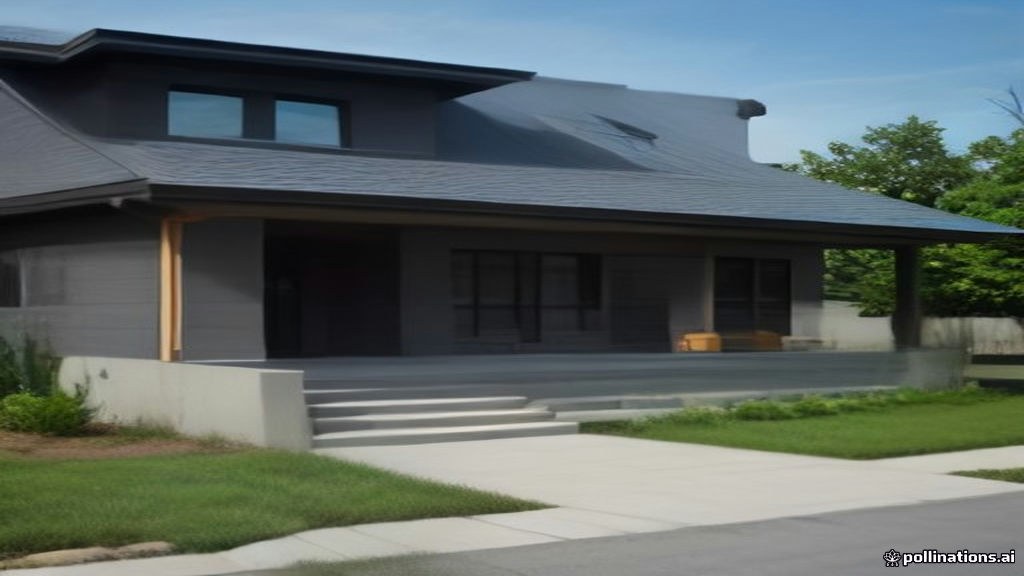
The legal action centers around homeowner Ambrose Conroy, who initially signed a contract in March 2020 for an $82,210 Solar Roof system in Rancho Santa Fe. By February 2021, multiple amendments inflated the project scope to an 18.2 kW roof paired with six Powerwalls totaling approximately $110,000. However, the system was never completed, failed to pass county inspections, and generated zero kWh of clean energy for the property.
While Tesla previously admitted to breach of contract, warranty violations, and general negligence, the automaker contested claims of fraud. That defense collapsed when Judge Cynthia Freeland issued decisive sanctions in the San Diego Superior Court, finding ample evidence of willful suppression of internal corporate documentation.
Missing Records and Internal Revelations
The court's decision to establish liability for fraud stemmed from Tesla's failure to surrender critical files, including Microsoft Teams messages, OSHA logs, county communications, and more than 20 internal Bolt system safety reports. Judge Freeland noted that the withheld data supported allegations that the company knowingly experimented on consumer properties.
"Tesla knowingly used Plaintiff’s home as an experiment while knowing they lacked the experience to perform as promised."
Exhibits filed in the case revealed damaging text exchanges, including messages from January 2021 involving Bobby Yang, Tesla's director of model engineering, discussing the experimental nature of the deployment.
Industry Outlook & Next Steps
With liability firmly established across breach of contract, negligence, and fraud, the upcoming trial will focus entirely on financial restitution. The homeowner estimates total repair and remediation costs at well over $2.5 million, contrasting sharply with an initial $5,000 settlement offer from Tesla. Legal experts note this case could set a severe precedent for corporate transparency and consumer accountability across major clean energy deployments.