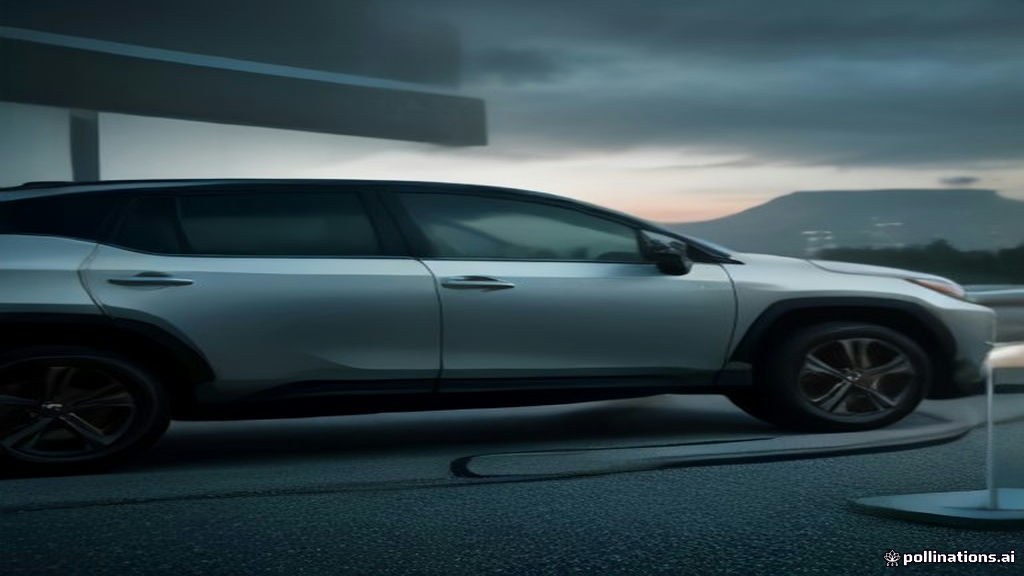
In a major leap forward for plug-in hybrid architecture, Toyota has officially overhauled the sixth-generation RAV4 Plug-in Hybrid for the 2027 model year, introducing native North American Charging Standard (NACS) connectivity and expansive fast-charging capabilities across its entire lineup.
- Core Development: The 2027 RAV4 PHEV brings native NACS ports and 50 kW fast charging to all trims, dropping the prior barrier to entry.
- Technical Shift: AC home charging speeds jump to 11 kW on entry and sport trims, while the charging port relocates to the driver’s side door.
- Industry Impact: It stands as the first major U.S. plug-in hybrid to fully abandon legacy connectors for native NACS integration.
Democratizing Fast Charging Across Trims
When the latest-generation plug-in variant debuted, buyers faced a steep financial barrier to rapid energy replenishment. Previously, rapid energy replenishment required stepping up to the XSE or Woodland trims, forcing a $4,000 premium for the privilege. For the 2027 model year, Toyota has integrated fast-charging functionality all the way down to the entry-level SE model—priced at $42,100—and extending through to the flagship GR Sport.
Owners can now seamlessly plug into Tesla Superchargers and emerging ultra-fast stations outfitted with native NACS cables. The vehicle accepts a maximum charge rate of 50 kilowatts, enabling a rapid battery replenishment from 10 to 80 percent in just 30 minutes. This engineering feat separates the vehicle from competitors like the Mercedes GLC 350e, which retains a legacy CCS port, and the Mitsubishi Outlander PHEV, which relies on the fading CHAdeMO standard.
"The RAV4 PHEV is now the first and only major plug-in hybrid in the United States to transition directly to the NACS port, bridging the infrastructure gap for everyday drivers."
Enhanced AC Home Charging and Layout Redesign
Beyond DC rapid-energy infrastructure compatibility, Toyota has optimized daily residential routines. The onboard AC charger has been upgraded, allowing the SE and GR Sport variants to support up to 11 kW AC charging, matching the 11 kW capability already standard on the XSE and Woodland trims since last year. This significantly cuts down replenishment times when utilizing Level 2 home equipment.
Furthermore, ergonomic adjustments are visible in the physical layout. The charging port has been relocated from the passenger’s side to a more accessible position near the driver’s side door. While this improves everyday garage docking, drivers will still need to mind cable lengths at older V3 Tesla Superchargers, whereas newer V4 Superchargers and networks like Ionna and Walmart feature long, flexible cables capable of handling varying port orientations effortlessly.
Industry Outlook & Next Steps
Equipped with a 22.7 kWh lithium-ion battery pack delivering up to 52 miles of pure electric EPA range, the 2027 RAV4 PHEV continues to bridge the gap between zero-emission daily commuting and long-distance hybrid road trips. As Toyota rolls out these factory updates, the broader automotive market faces increased pressure to phase out legacy charging hardware in favor of universal NACS integration across all electrified powertrains.