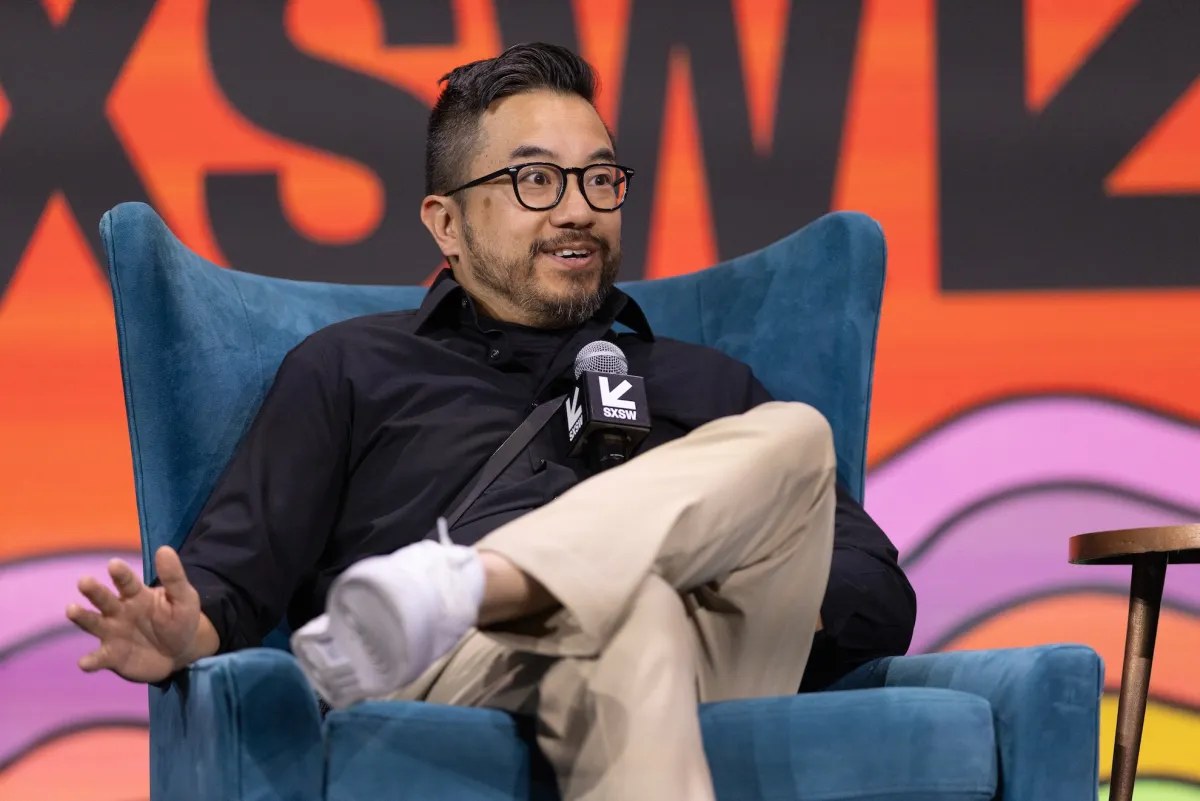
Y Combinator CEO Garry Tan revealed he spends between $100,000 and $200,000 annually on API tokens to run a hyper-personalized suite of autonomous AI agents. Speaking on Walter Isaacson's The Builders podcast, the head of Silicon Valley’s top startup accelerator detailed how advanced agentic workflows are reshaping both executive leadership and startup operations at Y Combinator.
- Core Development: YC CEO Garry Tan allocates up to $200,000 per year in personal token expenditure to drive custom autonomous agents.
- Technical Shift: Transitioning from rigid software logic to high-context, probabilistic agentic models like Claude Code and internal systems like Stray Light.
- Industry Impact: Enterprise productivity is shifting toward persistent memory agents, though high inferencing costs remain a barrier to mass adoption.
Deep Context Integration and the 'Gstack' Repository
To power his autonomous workflows, Tan has deployed an extensive setup that ingests his complete digital history. His personal agentic system has ingested 20 years of therapy notes, Apple Notes, Dropbox archives, and full email streams. Using this massive context window, the agent acts as a persistent digital advisor, anticipating tasks and researching podcast appearances. Tan has open-sourced his setup—comprising 23 Claude Code skills—under a GitHub repository named gstack to demonstrate advanced agent utility to developers.
"Think of it as a Jiminy Cricket on your shoulder at all times... it knows you, and it’s there to help. It will actually sort of run ahead and say, 'What about this?' Or it’ll help you see around corners."
Rebuilding Venture Operations with Autonomous Agents
Beyond personal productivity, Tan highlighted how Y Combinator is fundamentally altering its operational architecture using internal agentic systems. The accelerator deployed an agent named Stray Light, equipped with a centralized "company brain." The system maintains complete contextual awareness of every founder YC has backed, historic startup applications, and decades of email correspondence.
As an early user of frameworks like OpenClaw, Tan argued that traditional software design patterns hinder AI adoption. He warned that developers over-indexed on strict repeatability and deterministic safety risk stripping away the creative, human-like reasoning capabilities inherent in frontier foundation models.
Industry Outlook & Next Steps
While Tan views hyper-personalized AI as the inevitable future of human-computer interaction, widespread deployment faces two main headwinds: compute economics and data sovereignty. Tan acknowledged that spending six figures on token usage is a "crazy privilege," noting that inference costs must drop exponentially before everyday consumers can access persistent, local-first agents.
Furthermore, Tan warned against relying on ad-supported Big Tech platforms for personal intelligence. Instead of centralized algorithms controlling user experiences, Tan advocates for user-programmed, sovereign personal AI models that individuals directly own and configure, predicting a surge in decentralized, user-controlled agentic infrastructure over the next decade.